Os rolamentos com lubrificação sólida são projetados para operar sem a necessidade de lubrificação externa contínua, tornando-os ideais para ambientes automotivos e aeroespaciais exigentes. Ao incorporar lubrificantes sólidos diretamente no material do rolamento, esses componentes reduzem os requisitos de manutenção, resistem ao desgaste e funcionam de forma confiável sob temperaturas extremas, cargas pesadas e condições ambientais adversas. Suas propriedades exclusivas os tornam essenciais em aplicações onde os rolamentos tradicionais podem falhar ou exigir manutenção frequente.
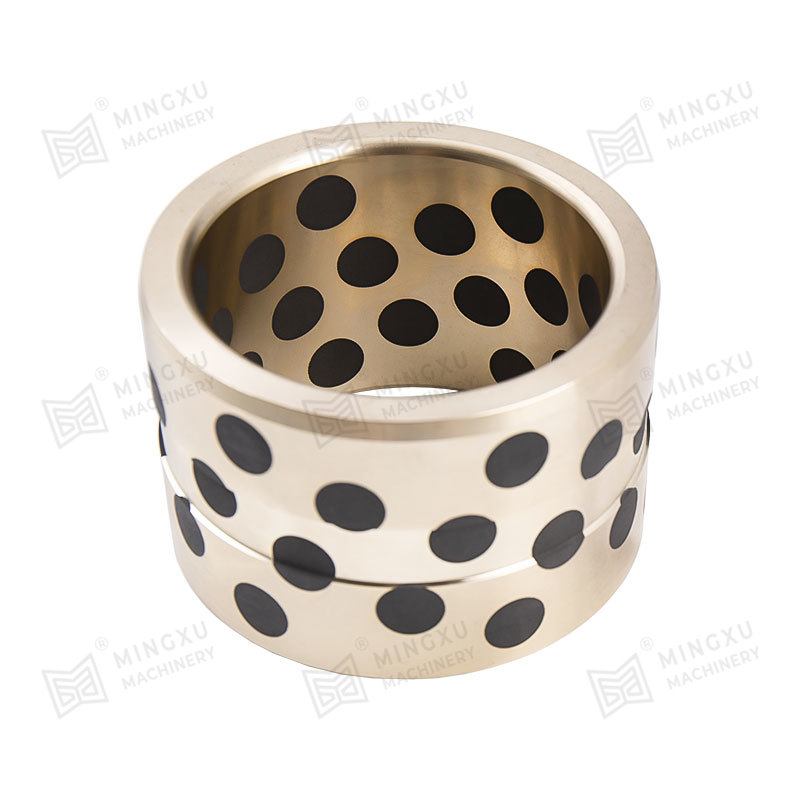
Vantagens dos rolamentos com lubrificação sólida em aplicações automotivas
Na indústria automotiva, os rolamentos com lubrificação sólida proporcionam inúmeros benefícios de desempenho e manutenção. Sua capacidade de operar sem adição de graxa ou óleo reduz o risco de contaminação e simplifica a montagem e os intervalos de manutenção. Esses rolamentos também contribuem para uma operação mais silenciosa, maior eficiência de combustível e maior vida útil dos componentes.
Componentes de motor e transmissão
Os rolamentos com lubrificação sólida são amplamente utilizados em motores e sistemas de transmissão onde altas temperaturas, cargas pesadas e acesso limitado à lubrificação são comuns. Componentes como balancins, tensores de correia dentada e seguidores de came se beneficiam das propriedades autolubrificantes, garantindo uma operação suave e minimizando o desgaste ao longo do tempo.
Sistemas de Suspensão e Direção
Em sistemas de suspensão e direção, rolamentos com lubrificação sólida são usados em braços de controle, buchas e elos estabilizadores. Seu design autolubrificante reduz o atrito, melhora a resposta e mantém o desempenho sob diversas temperaturas e condições de estrada. Isto também elimina a necessidade de lubrificação periódica, reduzindo os custos de manutenção.
Aplicações em Engenharia Aeroespacial
As aplicações aeroespaciais exigem rolamentos que possam funcionar sob cargas extremas, flutuações de temperatura e condições de alta altitude. Os rolamentos com lubrificação sólida atendem a esses requisitos, oferecendo alta resistência ao desgaste, baixo atrito e capacidade de funcionar sem lubrificação convencional, o que é crucial para a segurança e a confiabilidade do voo.
Trem de pouso e sistemas de atuação
Rolamentos de lubrificação sólida são usados em trens de pouso, atuadores e mecanismos de controle de aeronaves. Eles garantem uma operação confiável durante fases críticas do voo, suportam cargas dinâmicas pesadas e mantêm desempenho consistente em temperaturas extremas. Suas propriedades autolubrificantes também evitam a contaminação e reduzem o tempo de inatividade para manutenção entre os voos.
Superfícies de controle e mecanismos de asa
As superfícies de controle da aeronave, incluindo ailerons, flaps e lemes, contam com rolamentos de lubrificação sólida para uma articulação suave. Esses rolamentos suportam movimentos de alta frequência, resistem à corrosão e operam em temperaturas abaixo de zero e elevadas, garantindo manobrabilidade precisa e confiabilidade durante toda a vida útil da aeronave.
Tipos de rolamentos de lubrificação sólida usados em aplicações automotivas e aeroespaciais
Diferentes materiais e designs de rolamentos são usados dependendo da carga, velocidade, temperatura e condições ambientais. A tabela a seguir resume os tipos comuns e suas aplicações típicas:
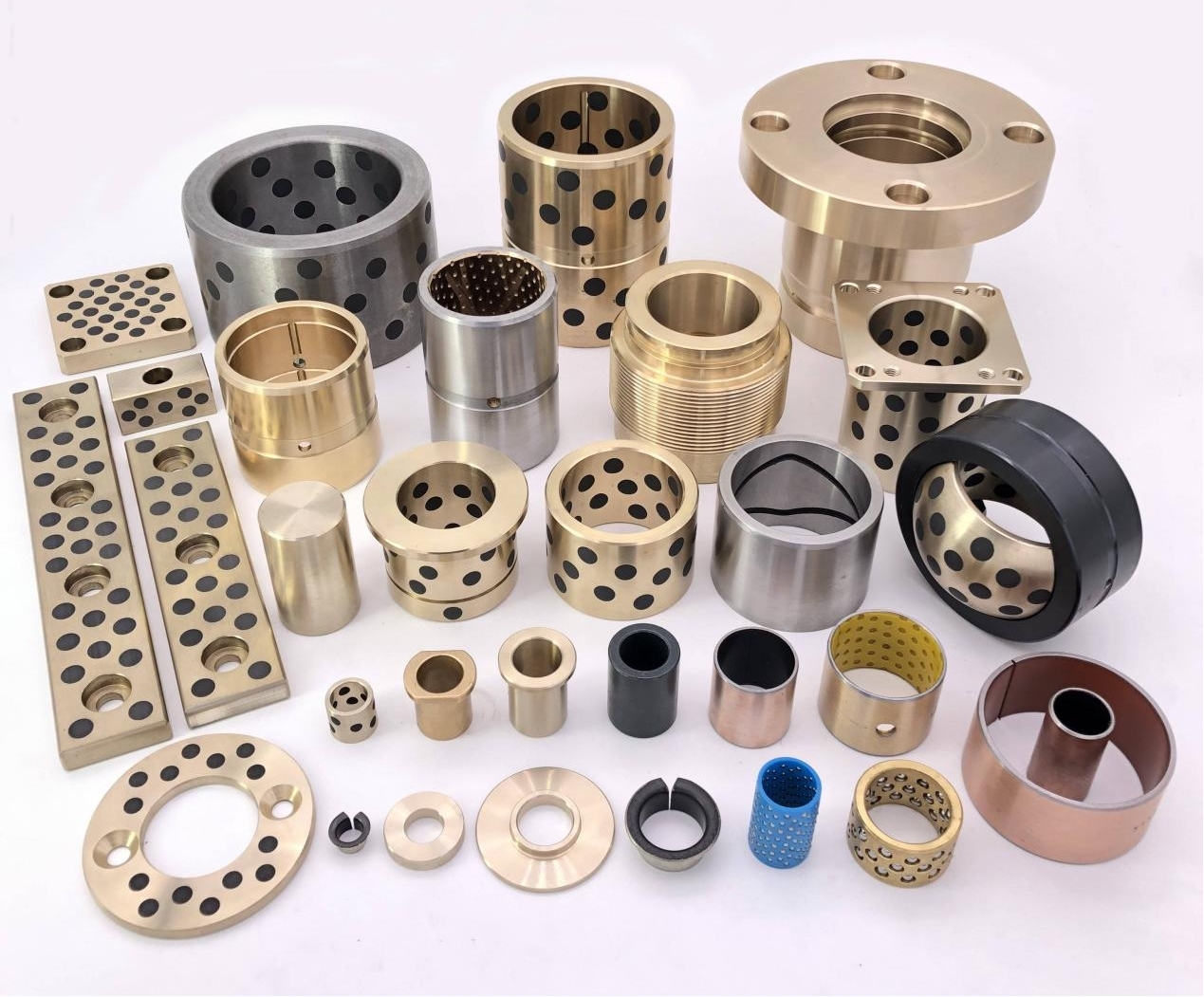
| Tipo de rolamento | Materiais | Principais recursos | Aplicações Típicas |
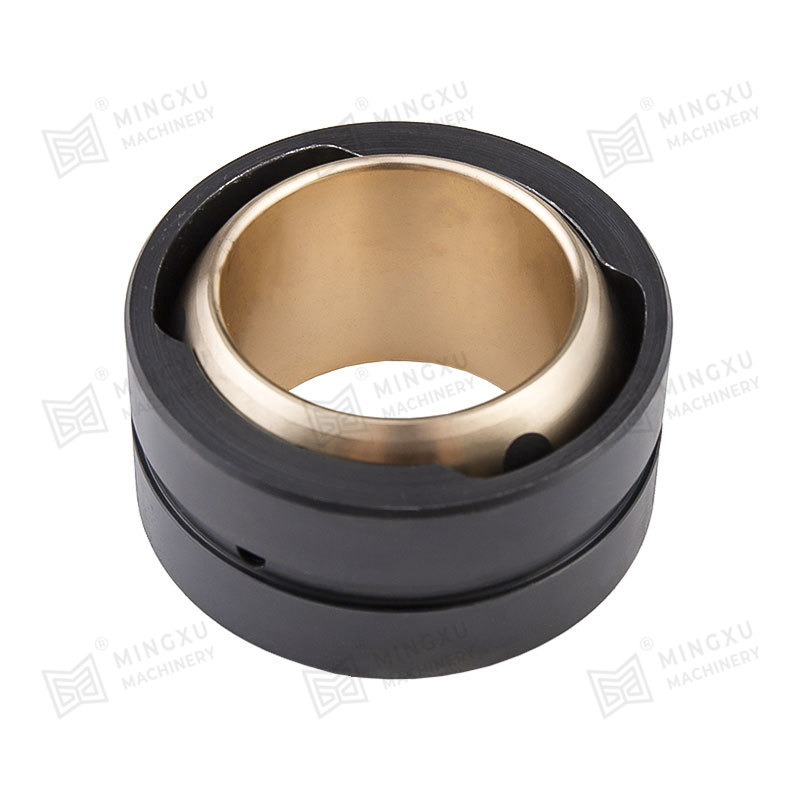
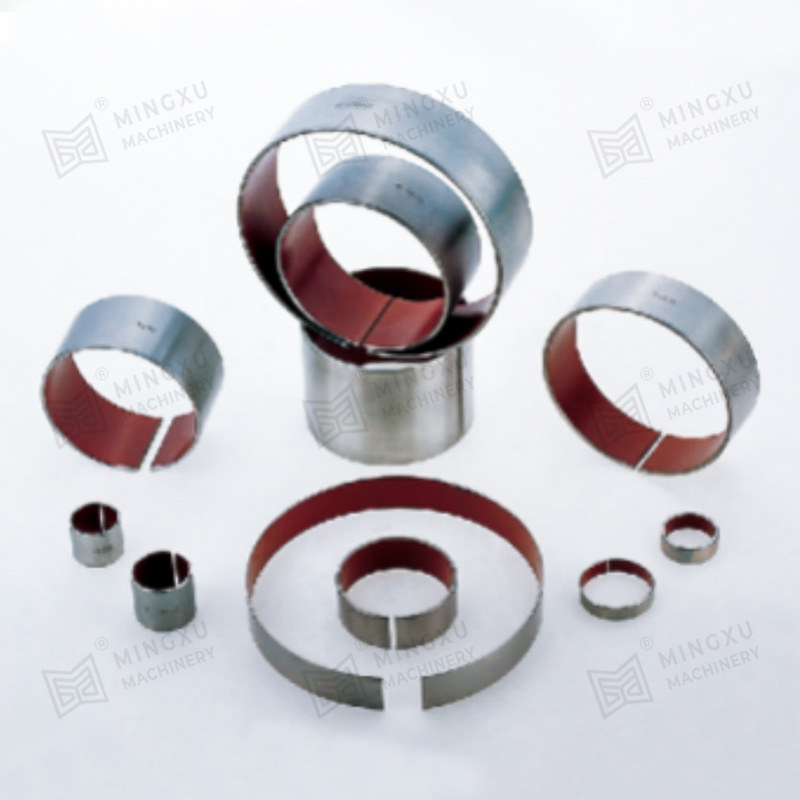
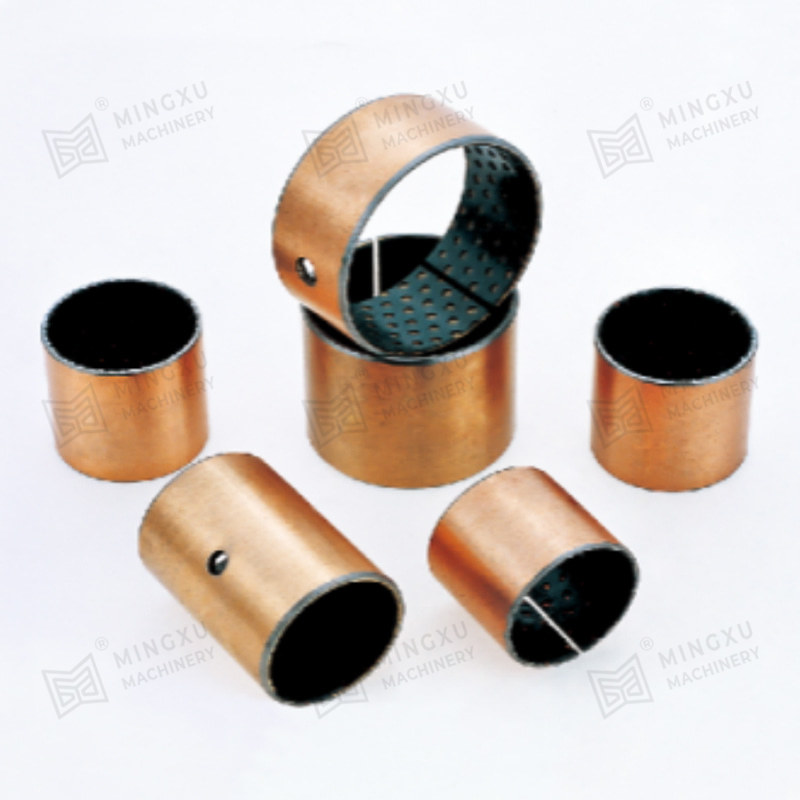
| Rolamentos de polímero | PTFE ou polímeros compostos | Autolubrificante, de baixo atrito, resistente à corrosão | Buchas, braços de controle, juntas de suspensão |
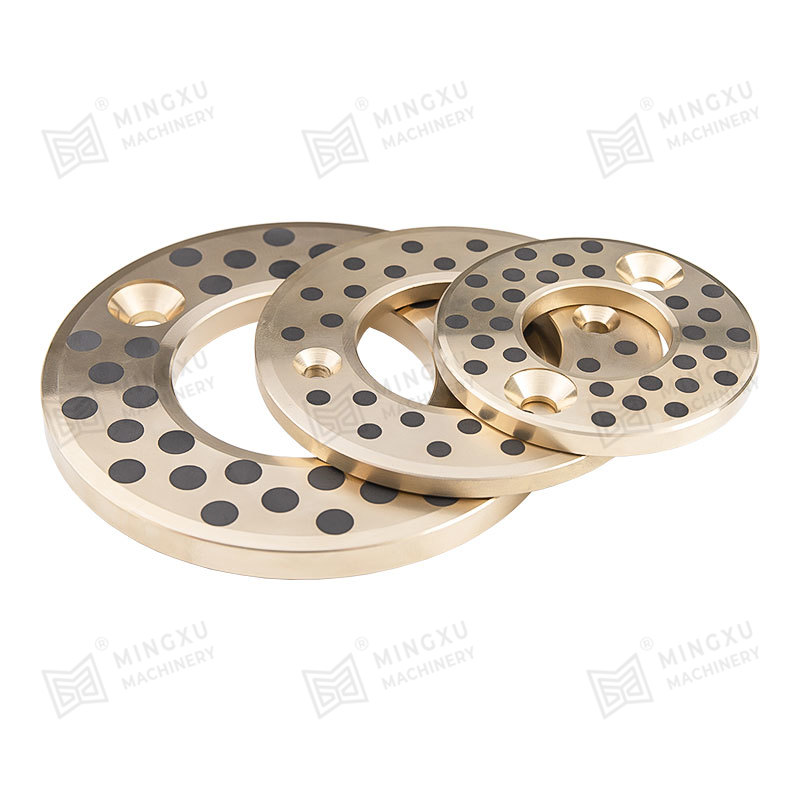
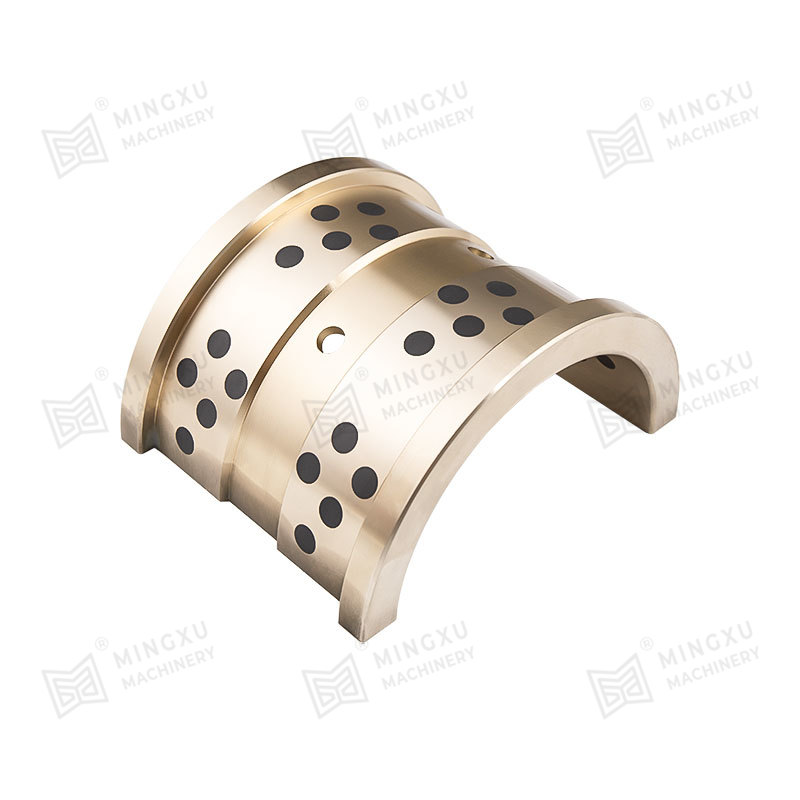
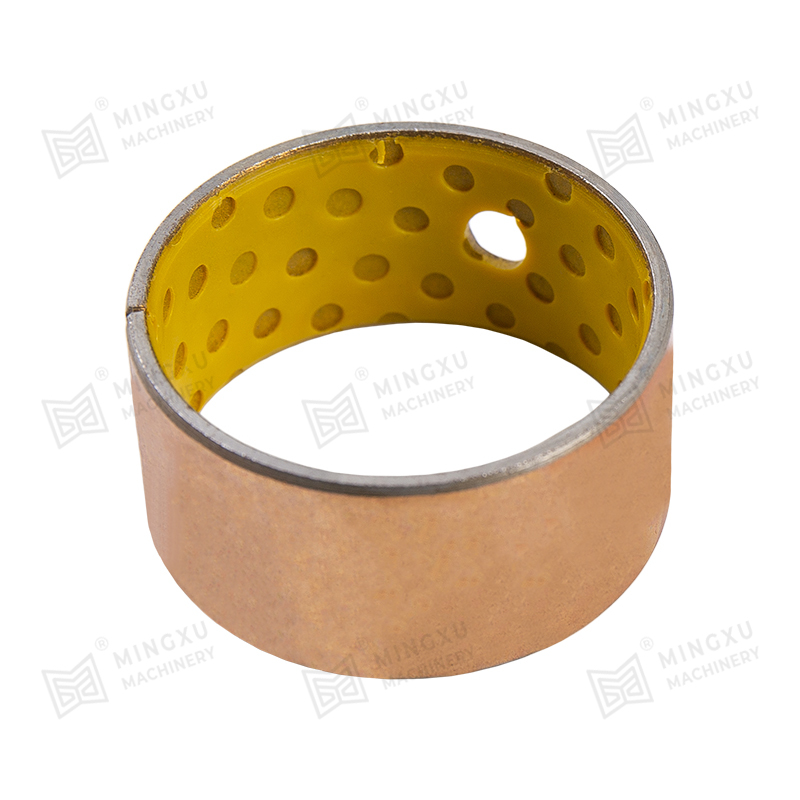
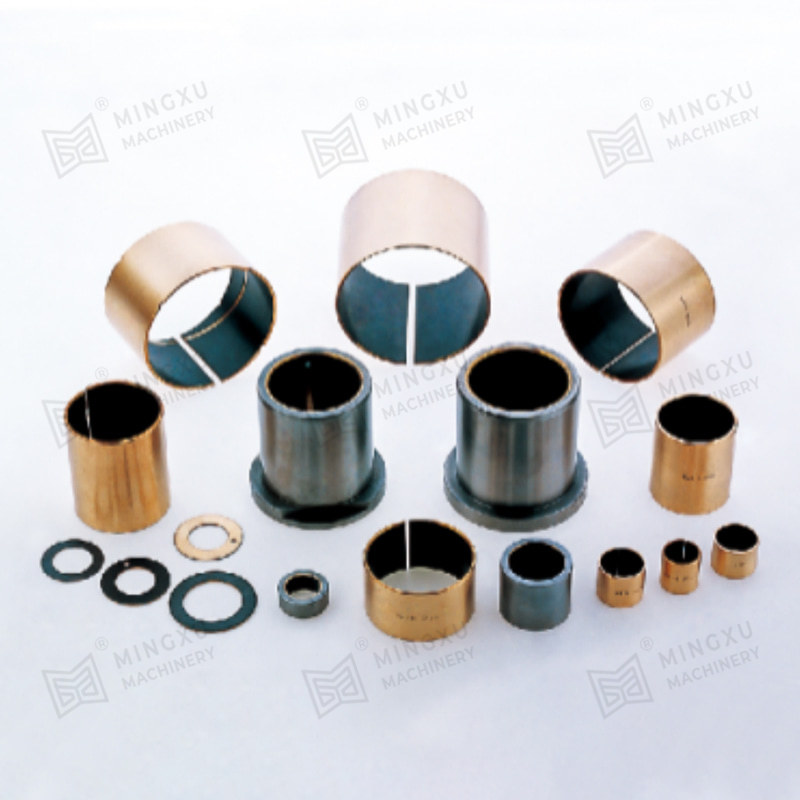
| Rolamentos de metal-polímero | Aço ou bronze com lubrificante sólido incorporado | Alta capacidade de carga, durável e resistente à temperatura | Trem de pouso, atuadores, componentes do motor |
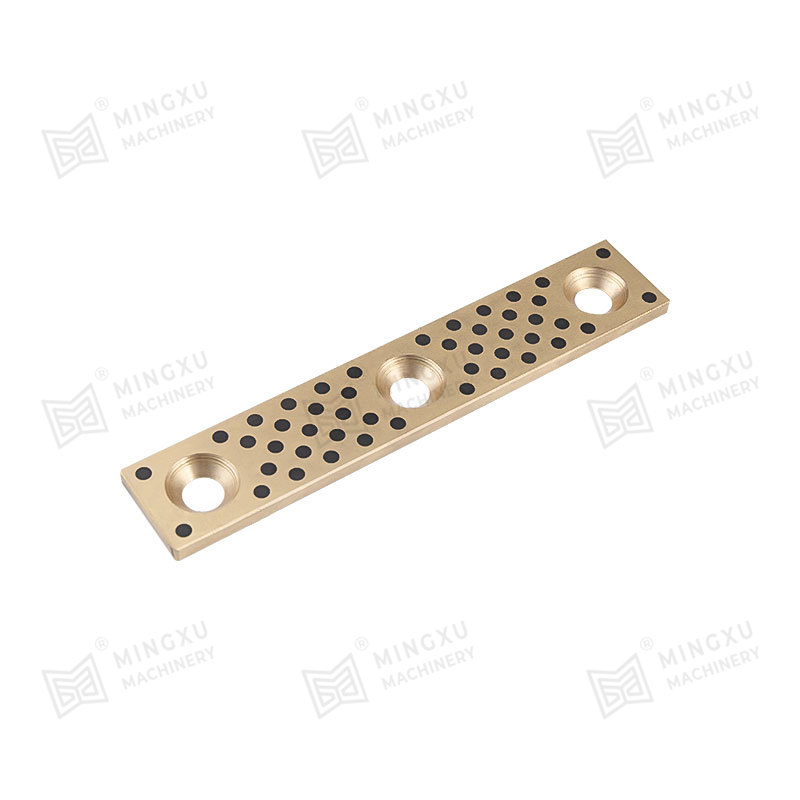
| Rolamentos embutidos em grafite | Bronze ou aço com lubrificante de grafite | Alta temperatura, operação a seco, resistente ao desgaste | Dobradiças de asa, ligações de controle, zonas de alta temperatura |
Melhores práticas para implementação
A seleção, instalação e manutenção adequadas de rolamentos com lubrificação sólida são essenciais para maximizar seus benefícios em aplicações automotivas e aeroespaciais. Considere as seguintes práticas:
- Combine o material e o projeto do rolamento com os requisitos de carga, velocidade e temperatura
- Garanta um alinhamento preciso e uma montagem segura para evitar desgaste irregular
- Inspecione os rolamentos periodicamente quanto a desgaste superficial, contaminação ou deformação
- Use rolamentos com lubrificação sólida em áreas onde a lubrificação convencional é impraticável
- Planeje a compatibilidade do material com os componentes adjacentes para evitar corrosão ou abrasão
Conclusão
Os rolamentos com lubrificação sólida são essenciais na engenharia automotiva e aeroespacial moderna, proporcionando desempenho confiável em condições extremas e, ao mesmo tempo, reduzindo as necessidades de manutenção. Suas propriedades autolubrificantes, durabilidade e capacidade de operar sob cargas pesadas e flutuações de temperatura os tornam ideais para motores, sistemas de suspensão, trens de pouso e superfícies de controle. A incorporação desses rolamentos aumenta a vida útil, a eficiência operacional e a segurança do equipamento, tornando-os um componente crucial em projetos de engenharia avançados.












Contate-nos